Overview
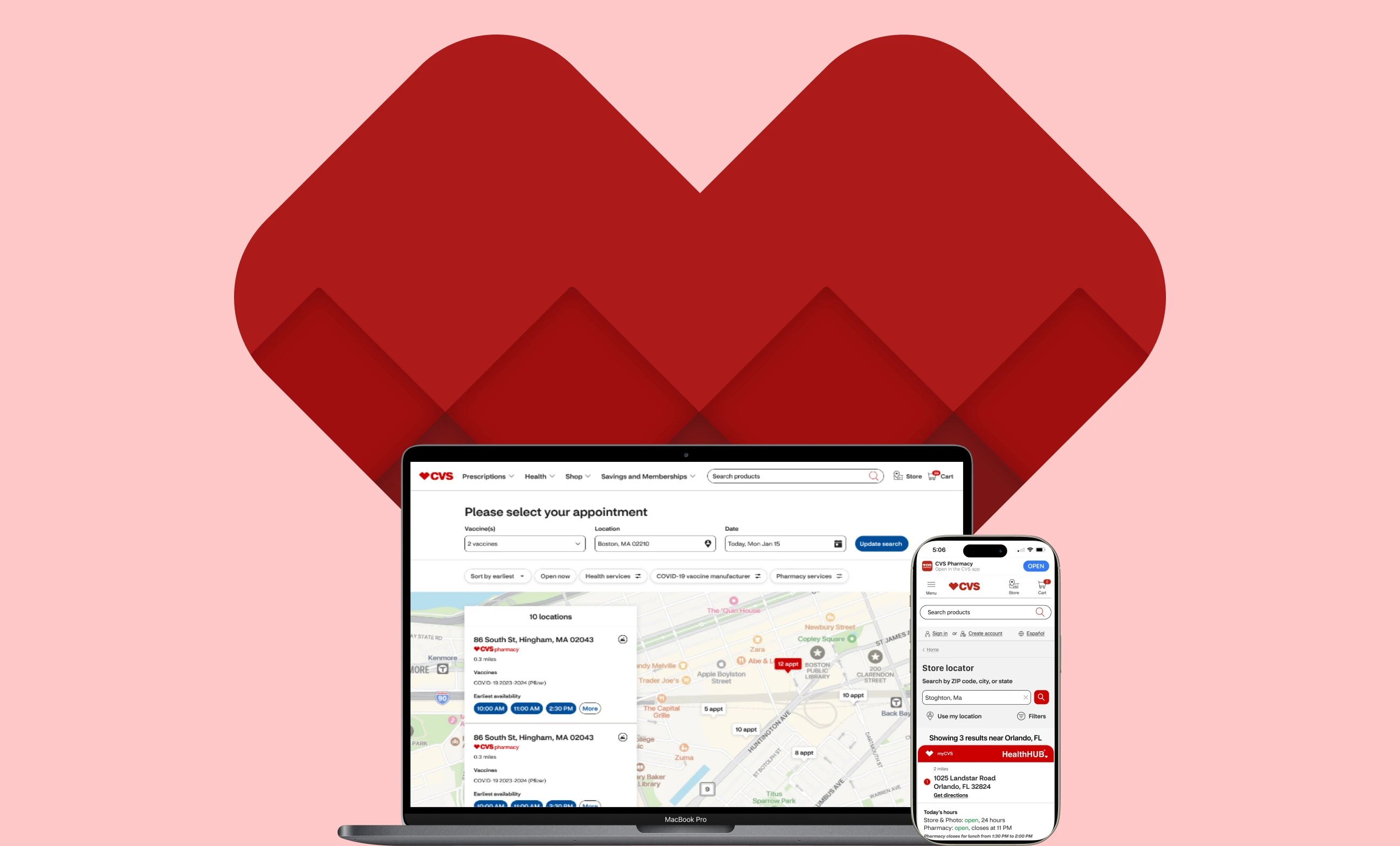
CVS Location Services experience, transforming a high-density information environment into a streamlined, task-oriented interface. My focus was on developing a flexible, card-based architectural framework that could adapt to the diverse needs of CVS customers—whether they are seeking a MinuteClinic, managing a prescription pickup, or simply locating a 24-hour retail store. By using a modular design approach, I ensured that users were presented only with the most relevant metadata for their specific intent, reducing the noise typically associated with multi-service healthcare locations.
Problem Statement
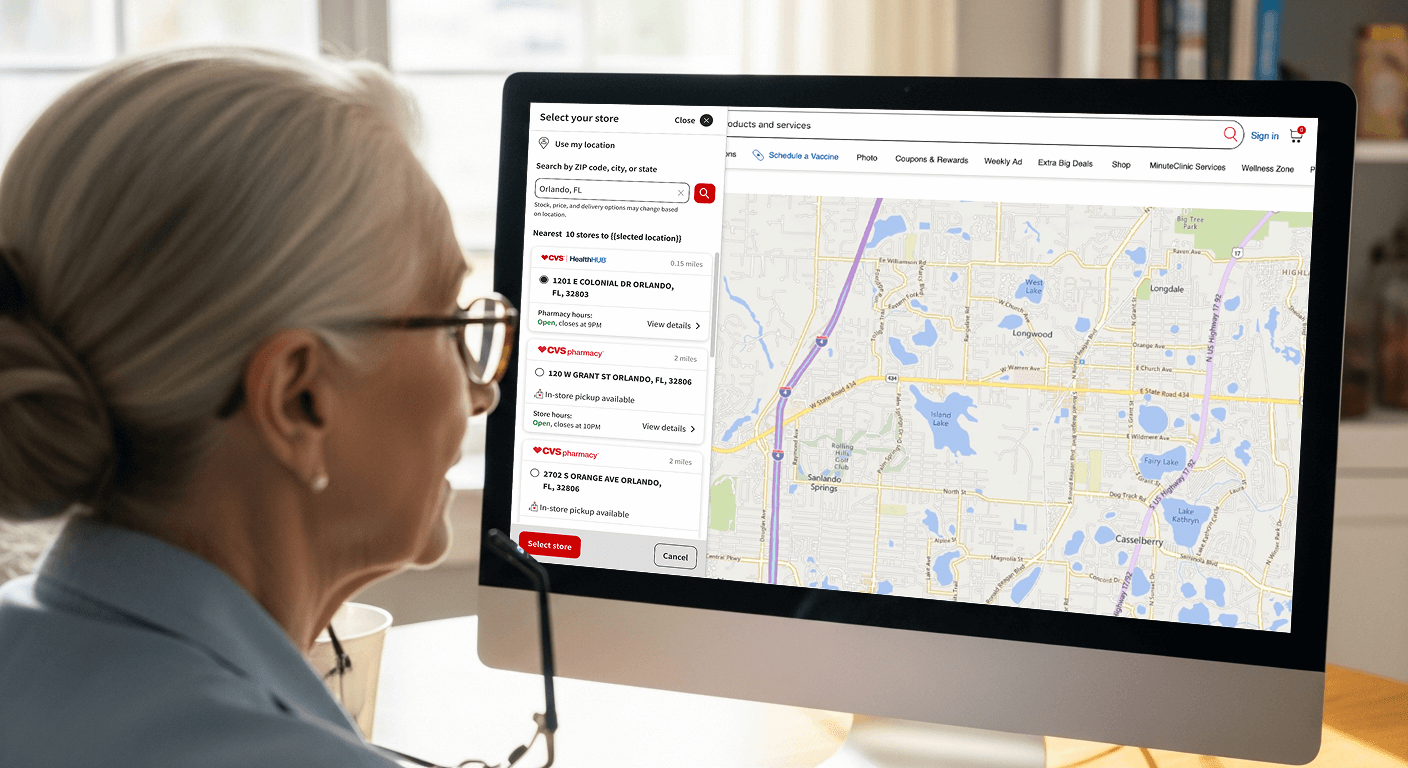
CVS Pharmacy locations have evolved way beyond simple drugstores. They are now busy hubs that handle healthcare, retail, and clinical services all at once. The old problem was that we used a one size fits all location tile that was just packed with too much information. It forced users to dig through long blocks of text just to find basic things like vaccine availability or drive-thru hours. My goal was to fix that mental overload by building a system that actually understands why a user is there in the first place. I designed a UI that can automatically prioritize the right details, like showing a doctor's credentials for clinic visits or stock status for retail shoppers, while keeping everything looking consistent with the rest of our design system.
Solution
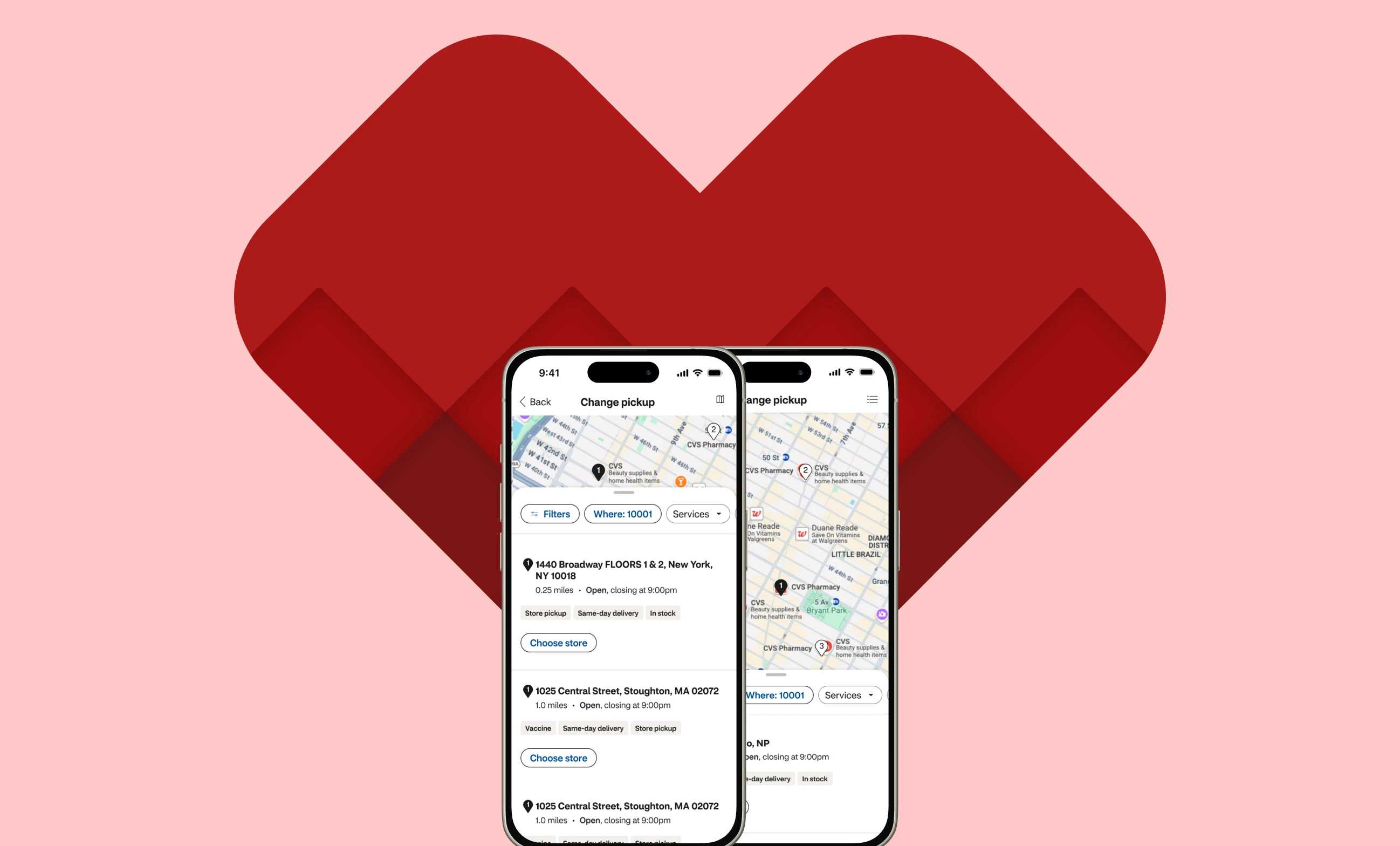
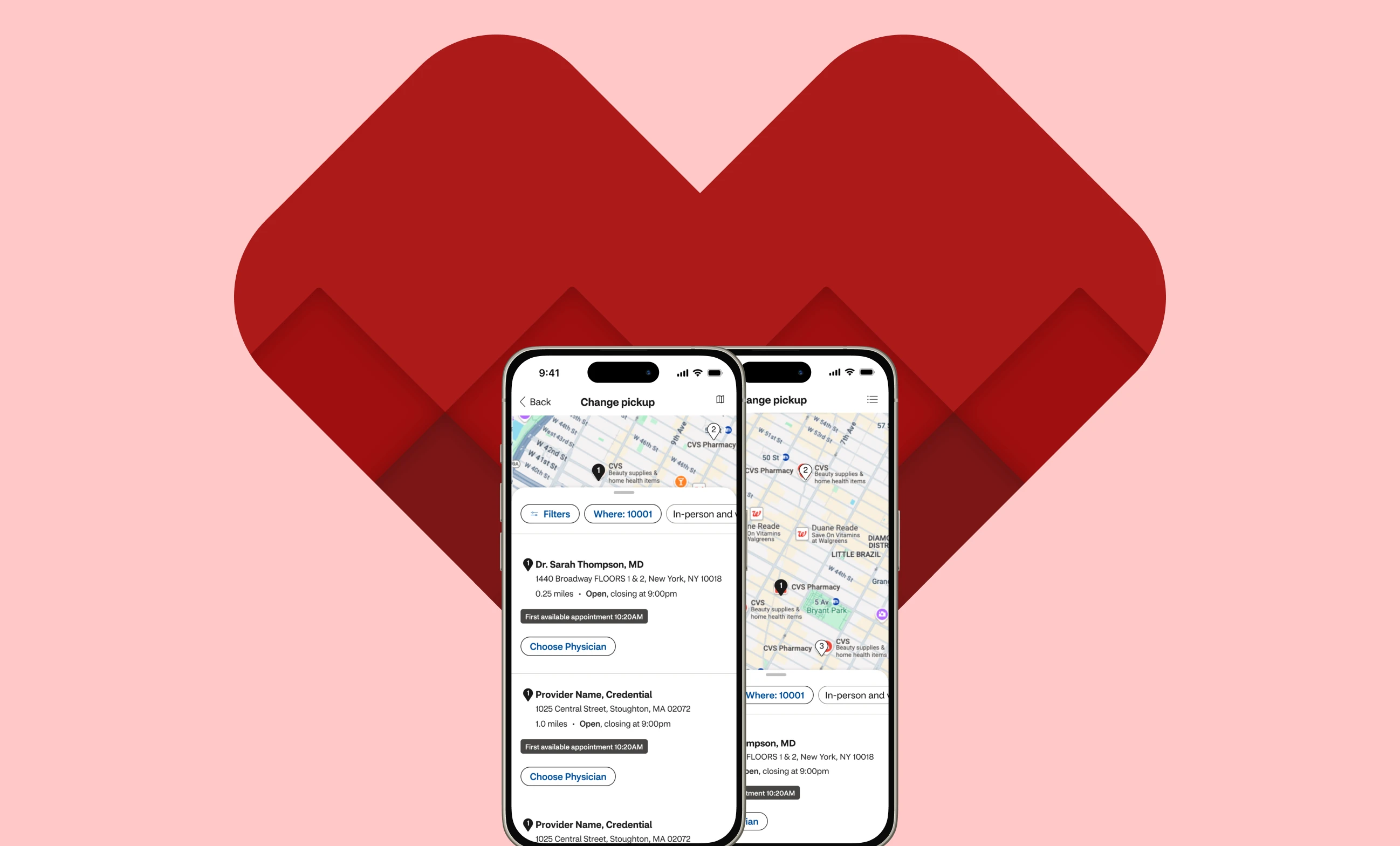
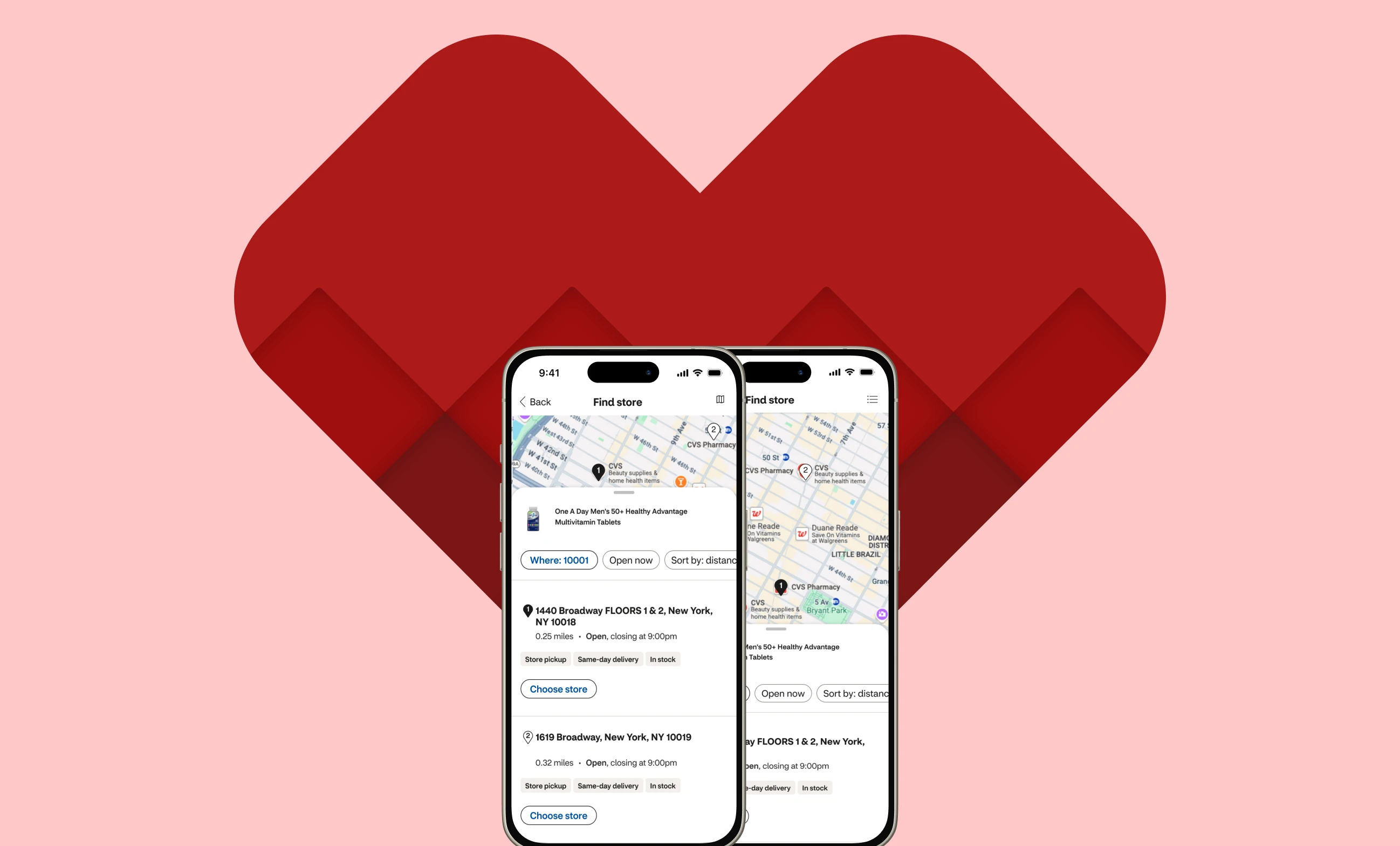
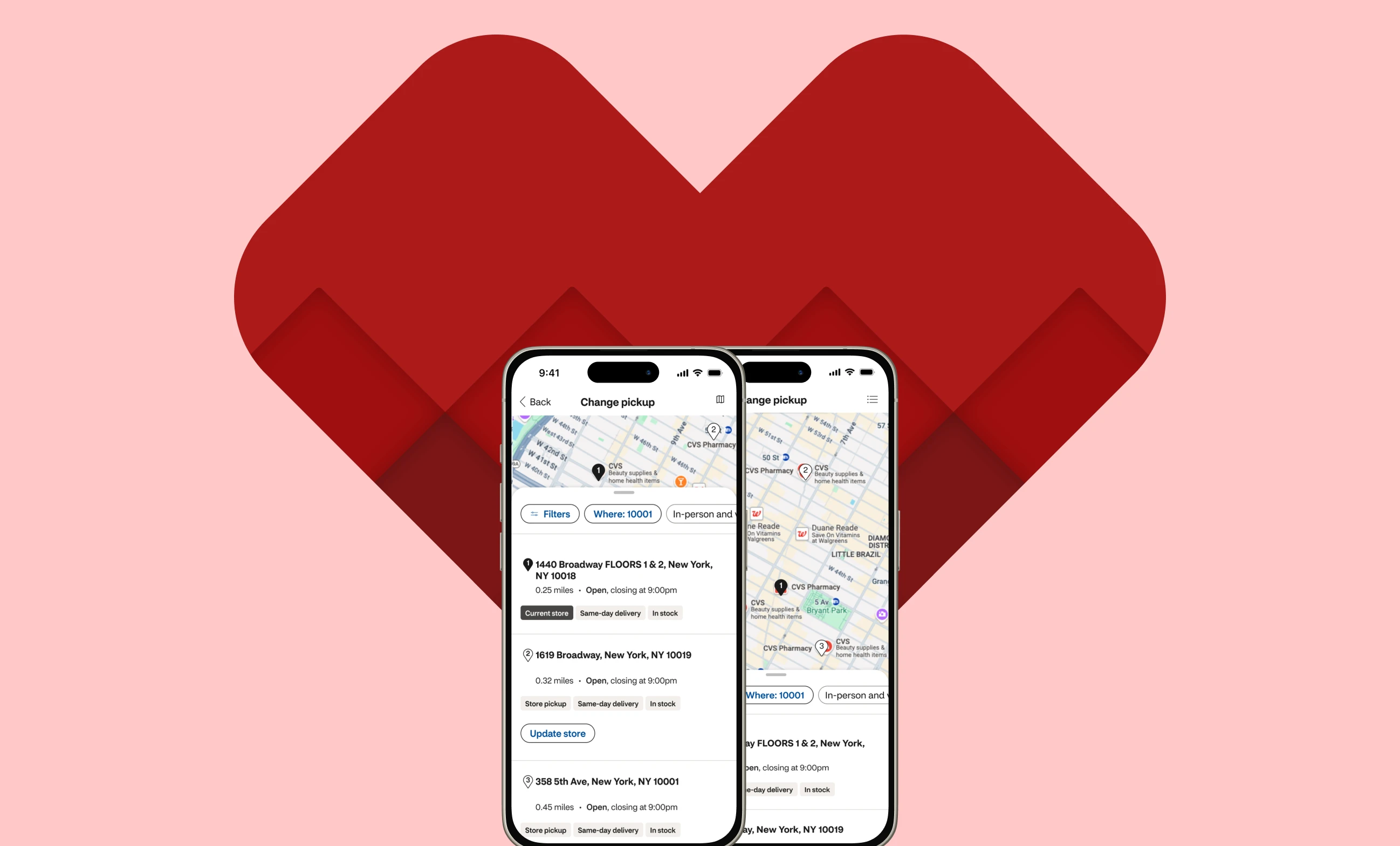
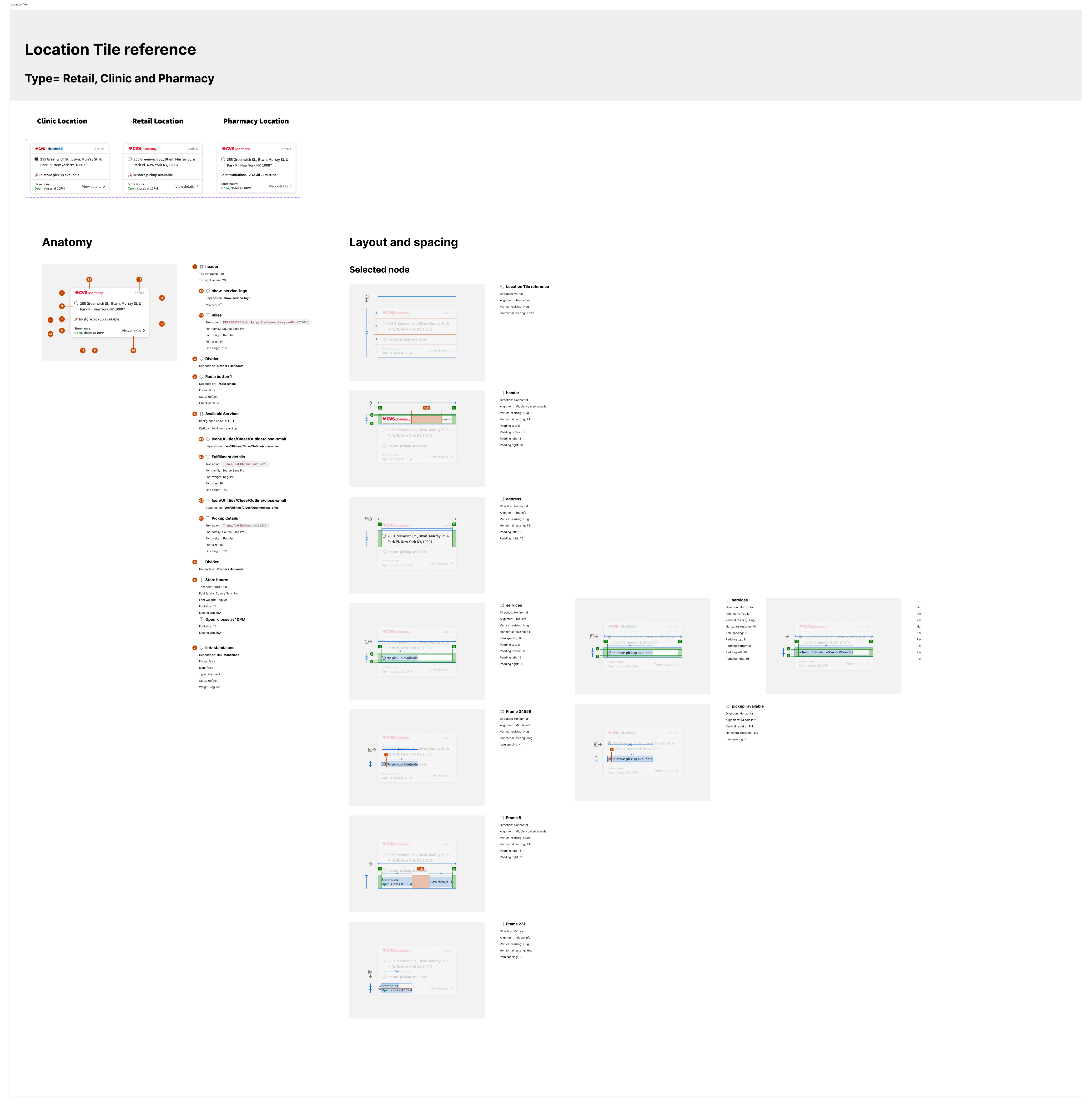
The heart of my solution was creating a Contextual Card System. Instead of using a basic static list, I built a set of smart components that change based on the specific service or task a user picks. To keep these cards consistent and high-quality, I used the custom plugin I built to audit them against our internal standards. This made sure every version in the Community layer was ready for full enterprise use.
- Dynamic Metadata Hierarchy: I set up a clear logic for how information is shown. For example, the main call to action for a clinic card is "First Available Appointment," while "In-Store Pickup" is the priority for retail searches.
- Anatomy of the Location Tile: I developed a solid specification for the card's structure. By standardizing headers, address blocks, and service-specific tags, I was able to keep the experience identical across our mobile and web platforms.
- Task-Based Filtering: I added specialized filtering chips for things like immunizations or vaccines. These update the card content directly so the details always match exactly what the user is trying to do.