Overview
While at CVS Health, I led the creation of the Community Design System. I built this as a strategic layer to bridge the gap between the rapid pace of individual product teams and Pulse, our main enterprise system. I wanted this to be a starting place where we could test and refine new ideas within our brand standards before they went wide. It works a lot like a sports pipeline; components prove they can handle real-world use across different apps first. Once a piece is fully vetted and demonstrates value to everyone, it graduates to the core Pulse library.

Problem Statement
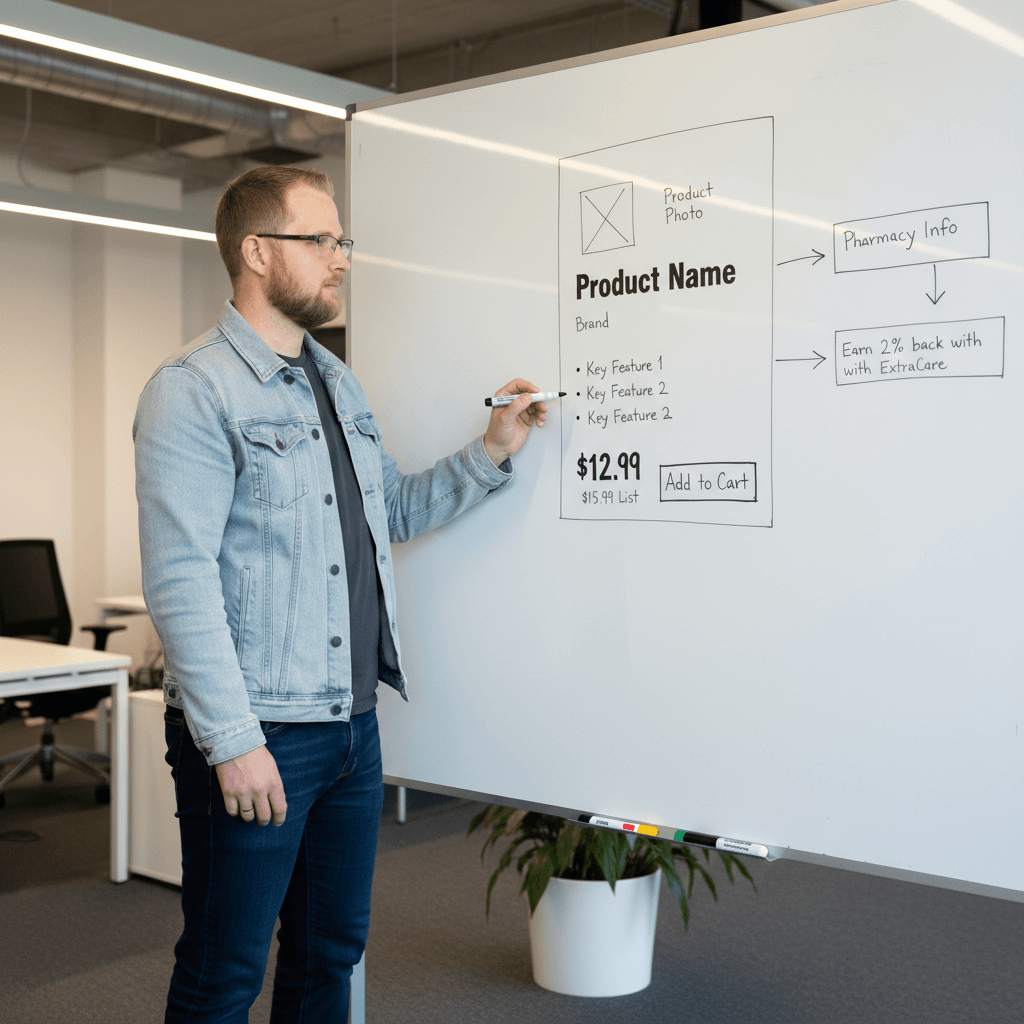
The primary challenge I addressed was the "bottleneck" effect common in large-scale design organizations. Product squads often require specialized components that don't yet exist in the core library, leading to the creation of "shadow systems" that compromise visual consistency and accessibility. I needed to solve the tension between the rigid stability of the Pulse system and the urgent, exploratory needs of individual designers. My goal was to create a structured path for innovation that prevented design debt while ensuring that our enterprise library remained lean, performant, and free of "one-off" components that lack long-term scalability.

Solution
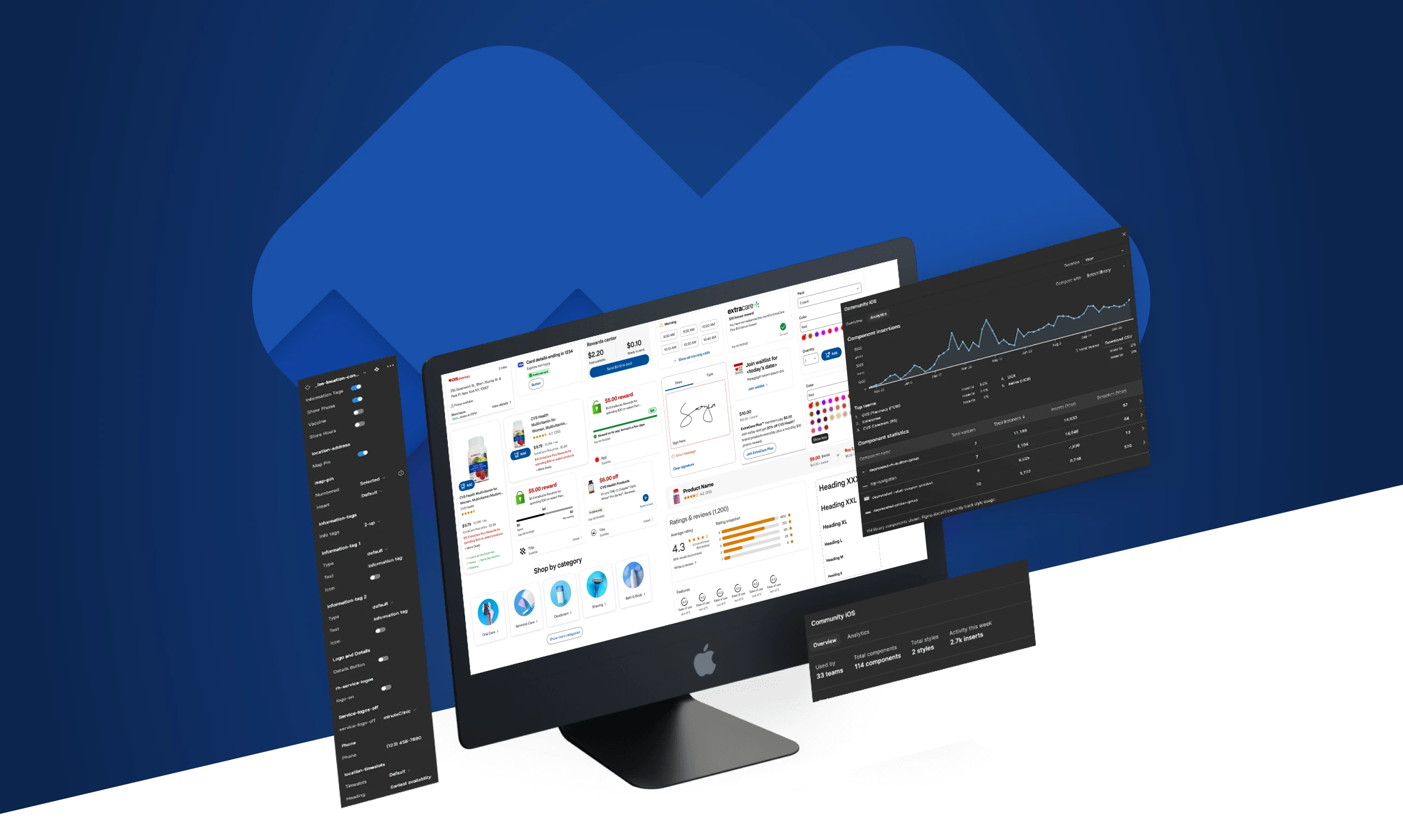
I designed a multi-tiered architecture that empowers teams to contribute to the ecosystem without risking the integrity of our primary source of truth. To make this process seamless, I developed a custom plugin that scans design files to identify new components and audit them against the in-house Pulse standards—a tool I was particularly proud of because it turned a manual vetting process into a streamlined, technical workflow.
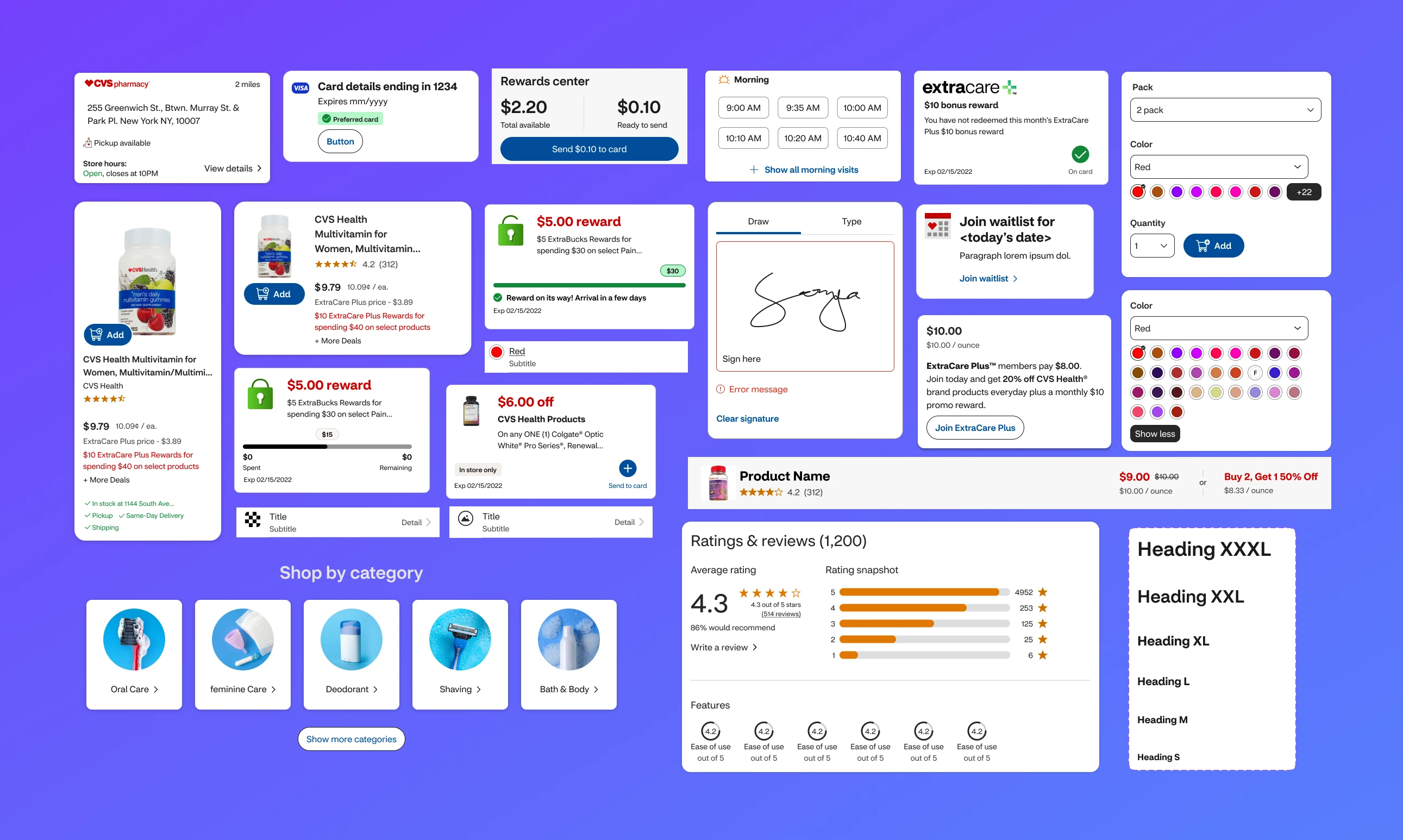
Federated Component Library: I built an extensive suite of atomic and molecular elements—including complex cards, rewards UI, and product thumbnails—that serve as standardized building blocks for community experimentation.
The Graduation Pipeline: I established a formal governance model where components are monitored for reuse and performance; once a pattern proves its worth in the "Community" field, it undergoes a final vetting for full responsive flexibility and WCAG compliance before entering Pulse.
Automated Vetting & Auditing: By leveraging the plugin I created, I enabled the design systems team to extract components from various project files and vet them directly against our established design system, ensuring consistency was maintained even during rapid iteration.